CMC Pro Tip: Mode of Use | Arizona Vortex Training Essentials
The Arizona Vortex Training Essentials series provides valuable training tips for the Arizona Vortex, a versatile and essential tool in rescue systems. For this installment, Mode of Use, we will focus on the first step in setting up the Vortex.
The previous blog introduced the acronym MATSAT to help remember the six key steps:
- M: Mode
- A: Applied force
- T: Tendency of movement
- S: Secure feet/head
- A: Angle of the guys
- T: Test load
This blog is not meant to serve as a detailed step-by-step guide, but instead it focuses on the high-level concepts developed and taught by CMC School Instructors. The goal is to help ensure the proper and safe use of the Arizona Vortex.
Mode of use
The six key steps of the MATSAT process should be analyzed sequentially, since each step builds upon the previous one. First, determine which Mode of Use the Arizona Vortex will be used for. There are two modes of use for the Arizona Vortex. It can be used as an Anchor Frame or a Directional Frame.
Anchor Frame
An anchor frame refers to a configuration where the rope supporting the load attaches directly to the Arizona Vortex.
Here are two typical examples of an Anchor Frame:
- Support ropes attach directly to the head of the frame. This is a good old-fashioned tripod over the hole for a confined space setup. In this configuration, the applied force on the Arizona Vortex is in the direction of the load.
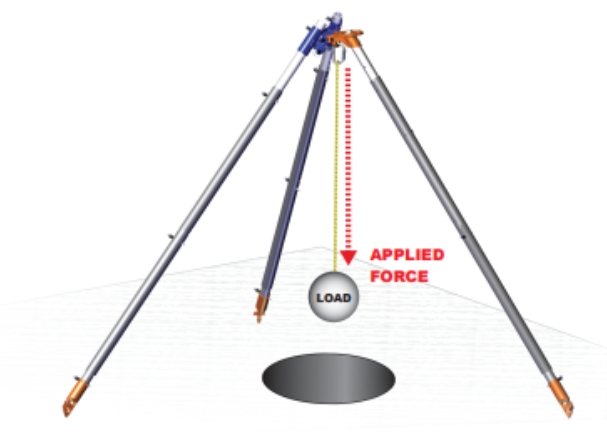
Figure 1: Image from the Mode of Use section in the Arizona Vortex user manual. Note that the hobble straps are not shown for clarity.
- Easel-Leg Tripod with a mounted winch on the leg and a pulley at the head. In this scenario the direction of the applied force on the AZV is equal to the direction of the load line from the head to the load.
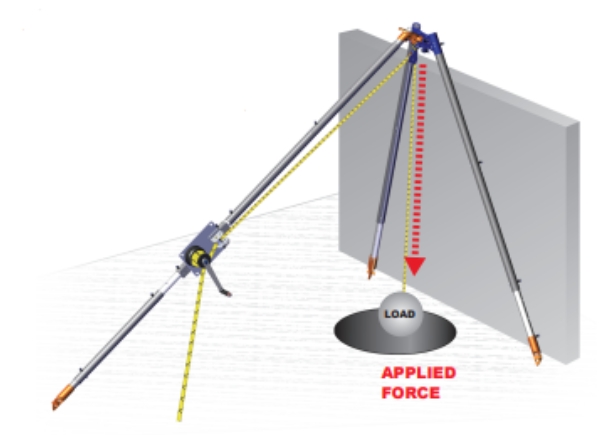
Figure 2: Image from the Mode of Use section in the Arizona Vortex user manual. Note that the hobble straps are not shown for clarity.
Directional Frame
Directional Frame refers to a configuration where the rope supporting the load is anchored remotely and the frame itself provides a high change of direction in the path of the rope. Most used at the edge of a cliff or building; directional frames are intended to make edge transition easier by providing some extra height at the edge and protecting ropes from edges. See images below for more examples.
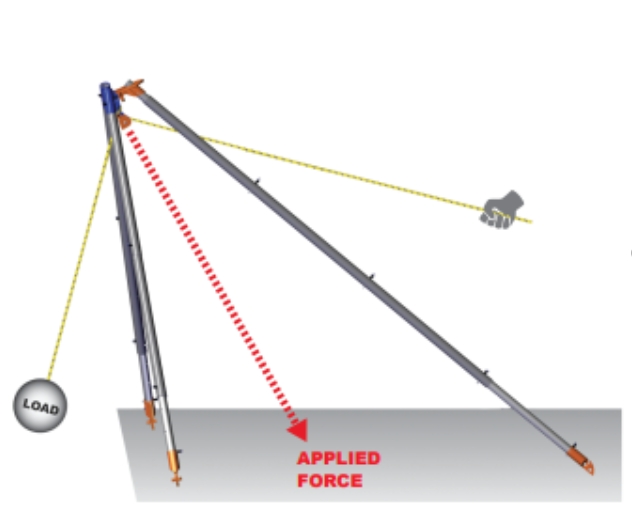
Figure 3: Image from the Mode of Use section in the Arizona Vortex user manual. Note that hobble straps are not shown for clarity.
Using the Arizona Vortex in the directional frame changes the direction of the applied force away from the direction of the load. This redirection of lateral force into a compressive force can create a more stable frame for edge transitions.
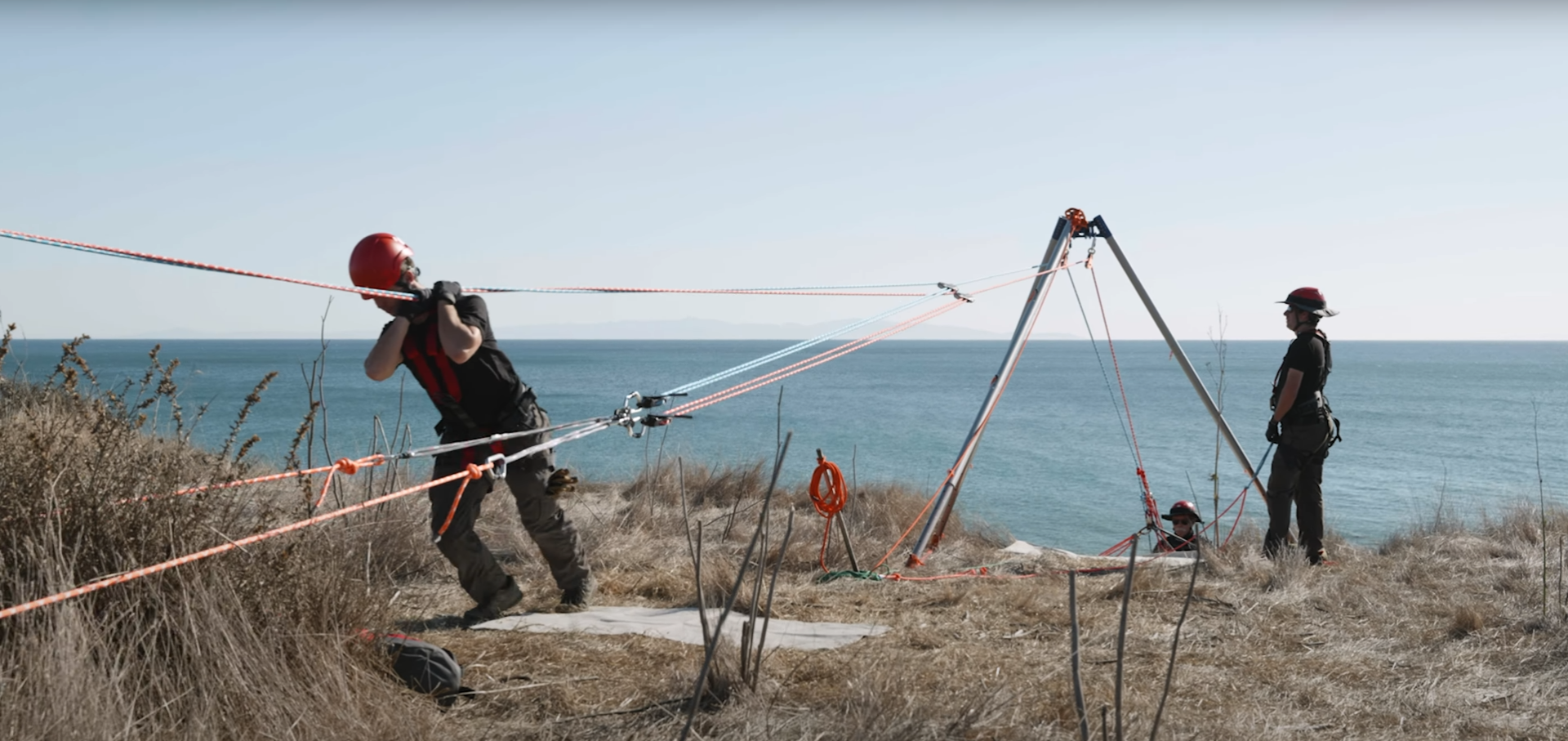
Figure 4: Example of an Arizona Vortex being used as a directional frame at a cliffside.
Conclusion
Defining the Arizona Vortex’s Mode of Use—whether as an anchor or directional frame—is the foundational step of the MATSAT process and sets the stage for a stable and secure rescue setup. Clearly identifying the correct frame application provides a solid foundation for additional steps like determining applied force, securing the frame, or testing the load. Ready to dive deeper into MATSAT? Our next blog we will focus on the Applied Force step in the MATSAT method.
IMPORTANT WARNING
Please note that specialized training and experience in technical rigging are essential for safe use of the Arizona Vortex. Technical rescue, work at height, and related training are hazardous activities. Effective risk management comes from experience, training, and the exercise of good personal judgment. It is your responsibility to obtain competent instruction, choose quality equipment, and use adequate safety procedures.
The publisher has made its best effort to provide the reader with the most current information reflecting the state of the art in rope rescue at the time of publication. It is incumbent on the reader to:
- Determine if the skills and techniques provided are compatible with the reader’s systems, techniques, protocols, equipment and level of training.
- Recognize that rope rescue is an evolving discipline and to stay current with new information, improvements in equipment, advances in techniques and changes in standards.