CMC Podcast EP. 33
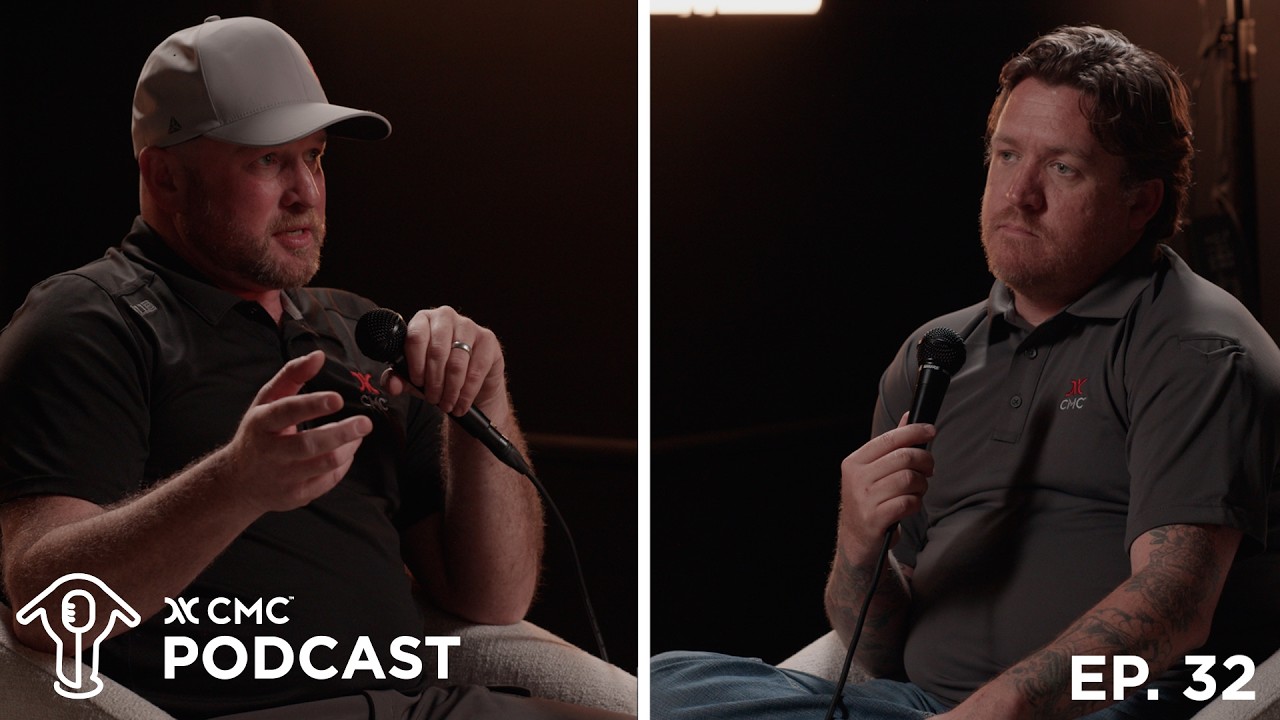
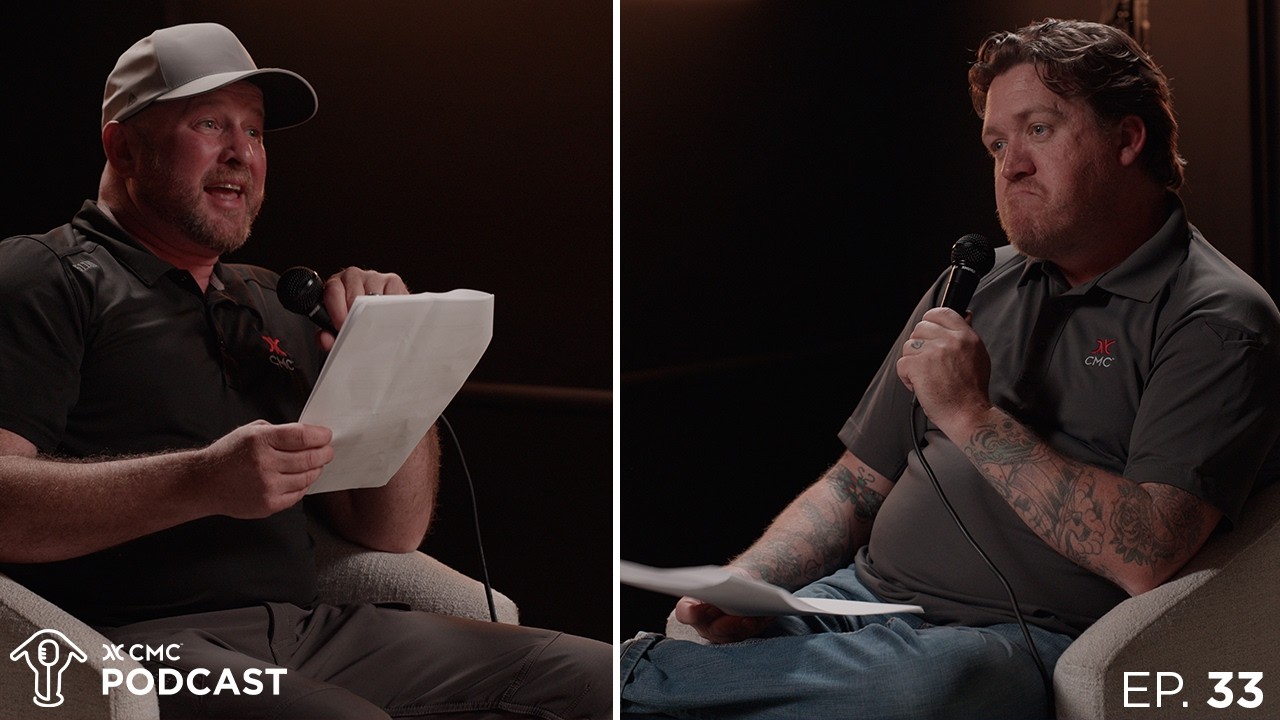
In episode 33 of the CMC Podcast, instructors Craig McClure and Justin Wheaton strip away the complex theories and sit down for a rapid-fire, lightning-round style debate on the practical realities of rope rescue. No points, no passes, and no holds barred—just two veteran instructors addressing the real-world skills that actually save lives, the gear they never leave behind, and the industry habits we might want to reconsider.
The discussion kicks off with a look into their personal gear bags, where simplicity wins the day. Both Craig and Justin name the Black Diamond ATC Guide rigged in guide mode as their absolute go-to travel setup. When it comes to the essentials that never leave their harnesses, they agree on the versatility of an ATC and a VT Prusik. However, the breakdown comes down to utility preference, with Justin keeping a standard carabiner close at hand and Craig advocating for twenty-five feet of power cord. The push for simplicity continues into a classic debate on carabiners, with both instructors forcefully backing the traditional screw-gate over modern auto lockers. For them, the universal familiarity and muscle memory of a screw-gate make it the safest, most reliable choice when hands are heavy and stress is high.
Moving into tactics, Craig and Justin challenge some common trends in rescue training. Justin takes aim at artificial high directionals, noting that teams often spend too much time lugging heavy equipment when they should instead focus on mastering difficult edge transitions with minimal gear. Craig targets pick-offs from an ascent, calling them an overtrained skill that borders on showing off, noting that while highly relevant in standard rope access, the scenario is incredibly rare in real-world rescue operations.
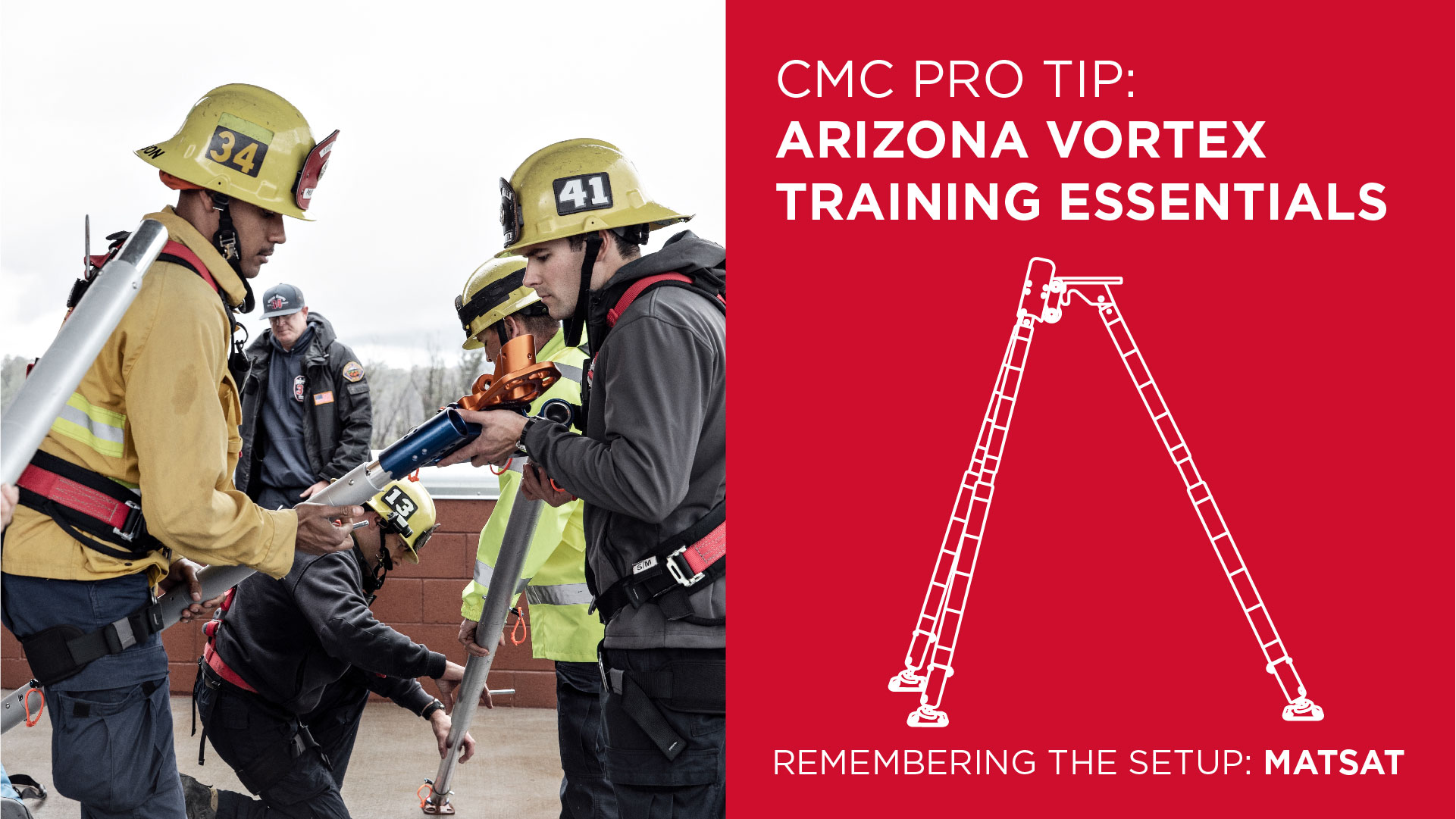
On the flip side, the duo explores the skills that deserve far more attention in training. While both agree that high-level risk management and leadership are the most neglected aspects of the craft, they point to specific physical deficiencies in current training pipelines. Justin notes that an inability to move efficiently on a rope constantly bogs down operations, while Craig argues that load transfers and knot passes are the ultimate foundational problem-solving skills for overcoming friction. They also touch on line management for the Arizona Vortex, advocating for a conservative approach of one line high and one line low to maintain a simple, secure path.
To wrap up the quick-fire session, the instructors share their ultimate philosophies for longevity in the field. Justin urges new rescuers to slow down, leave the ego at the door, and master the craft stride-by-stride rather than rushing to do the flashy work. Craig emphasizes the human element, advising newcomers to find a dedicated mentor and a solid team, reminding listeners that the true reward of rescue is the brotherhood and teamwork itself. Tune in for a refreshing, honest look at what it really means to cut through the noise and master the craft of rescue.